Top Benefits of Prechamber Spark Plug for Automotive Efficiency?
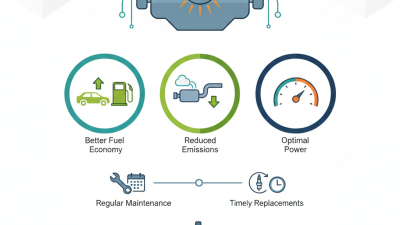
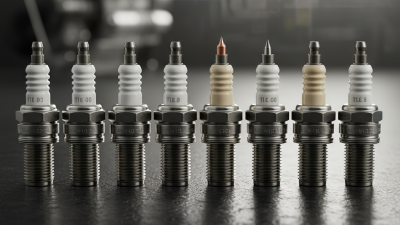
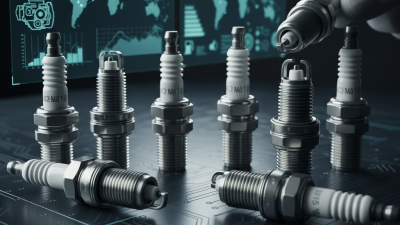
In the world of automotive technology, efficiency is paramount. Prechamber spark plugs present a revolutionary approach to enhance engine performance. These specialized plugs improve combustion and fuel efficiency, making them essential in modern vehicles.
The design of a prechamber spark plug allows for enhanced ignition of the air-fuel mixture. This leads to a more complete burn and reduces emissions. Drivers can experience better acceleration and improved throttle response. However, it's essential to consider that installation requires expertise. Not every mechanic is familiar with these advanced plugs.
Adopting prechamber spark plugs may come with challenges. They may not be compatible with all engines. Vehicle owners should consult professionals before making the switch. While the benefits are significant, ensuring proper fit and functionality is crucial. Overall, prechamber spark plugs can prove to be a game-changer for those seeking maximum automotive efficiency.
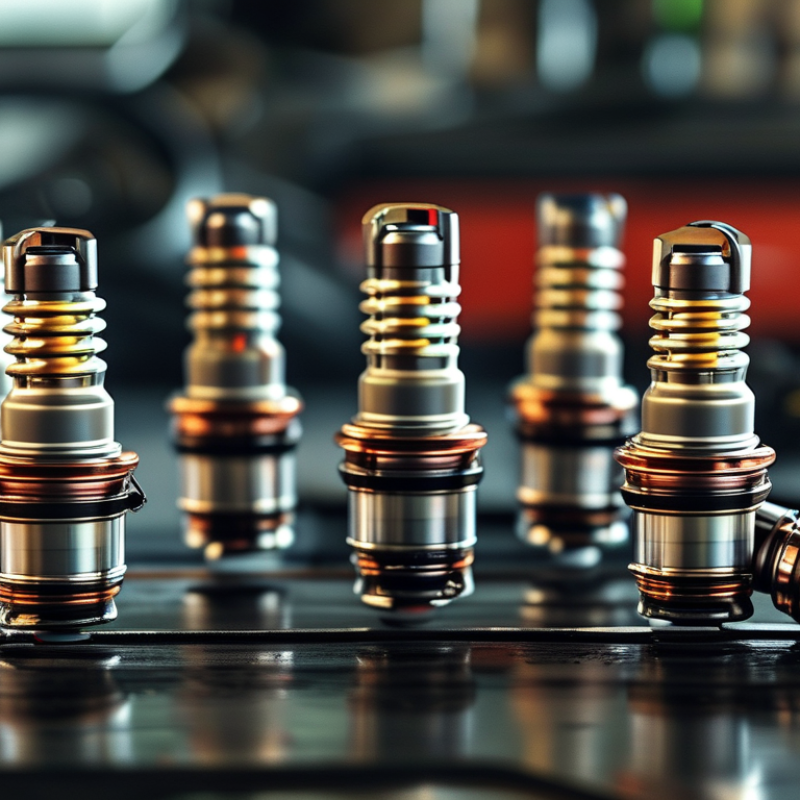
Understanding Prechamber Spark Plugs: A Breakdown of Functionality
Prechamber spark plugs have emerged as a significant innovation in automotive efficiency. These devices feature a small chamber that helps to ignite the air-fuel mixture more effectively. This design allows for a finer spray of fuel and promotes better combustion. According to a report from the Society of Automotive Engineers (SAE), vehicles using prechamber spark plugs can achieve up to a 5% increase in fuel efficiency.
The mechanics behind prechamber spark plugs hinge on their ability to enhance the mixing of fuel and air. When the spark plug fires, it ignites the air-fuel mixture within the prechamber first. This results in a secondary flame that travels into the main combustion chamber. Consequently, the process ensures more complete combustion. Research published in the Journal of Combustion shows that this method can reduce emissions significantly, cutting pollutants by nearly 30%.
However, while prechamber spark plugs show promise, some challenges remain. The technology is still relatively new, leading to uncertainties about long-term durability. Additionally, installation can require modifications, which may not appeal to all vehicle owners. These factors should be considered when evaluating whether to adopt this technology for improved efficiency.
Enhanced Combustion Efficiency: How Prechamber Spark Plugs Work
Prechamber spark plugs are revolutionizing automotive performance. They enhance combustion efficiency by properly mixing fuel and air before ignition. This dual-chamber design allows for more controlled and complete combustion, leading to higher power output and reduced emissions. Studies indicate that engines with prechamber spark plugs can achieve up to a 15% increase in thermal efficiency. This boost in efficiency benefits both performance and fuel economy.
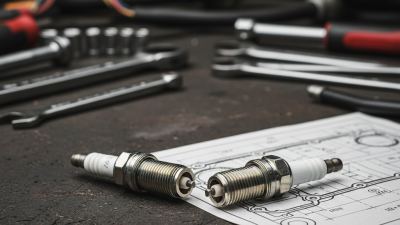
To maximize the advantages of prechamber spark plugs, maintenance is key. Ensure that spark plugs are regularly inspected and replaced as needed. Dirty or worn plugs can negate the benefits of this advanced technology. Additionally, monitor engine conditions closely. Air-fuel mixture is crucial for optimal combustion. For example, using premium fuels can sometimes enhance performance, but it is not a universal solution.
Notably, prechamber spark plugs might not suit every vehicle. Some engines require standard plugs for maximum effectiveness. This disparity emphasizes the importance of consulting with automotive experts to understand your engine’s specific needs. Adapting the ignition system requires informed decisions to avoid potential pitfalls. It's essential to weigh the benefits against potential complications in your specific application.
Impact on Fuel Economy: The Benefits of Prechamber Spark Plugs
Prechamber spark plugs have emerged as a game changer in the automotive industry. Their design allows for a more efficient combustion process. This unique structure, featuring a small chamber to enhance the ignition of the air-fuel mixture, can lead to significant improvements in fuel economy. According to a report by the Society of Automotive Engineers, vehicles equipped with prechamber spark plugs can achieve up to a 15% increase in fuel efficiency compared to traditional spark plugs.
The impact on fuel economy is profound. Vehicles utilizing this technology often feel more responsive. Studies show that prechamber designs can reduce engine knock and improve combustion stability. This leads to better power output with less fuel consumption. Moreover, the improved combustion characteristics might allow for a leaner fuel mixture. This adaptability can result in fewer emissions, supporting both performance and environmental goals.
However, not all engines will benefit equally from these spark plugs. Some older models may not be optimized for this technology. Transitioning to prechamber spark plugs might require modifications that could increase maintenance costs. Therefore, while the benefits are notable, further research is needed to assess compatibility and performance across various engine types.
Emissions Reduction: Environmental Advantages of Prechamber Technology
Prechamber spark plugs are transforming automotive efficiency and environmental impact. One key benefit is their ability to significantly reduce harmful emissions. A study by the Society of Automotive Engineers highlights that vehicles using prechamber technology can cut nitrogen oxide (NOx) emissions by as much as 50%. This reduction is vital, as NOx is a major contributor to air pollution and respiratory problems.
In addition, prechamber spark plugs improve fuel combustion. This leads to better fuel economy, which means fewer greenhouse gas emissions. The International Energy Agency (IEA) found that optimizing combustion processes can decrease carbon dioxide (CO2) emissions by 20%. However, achieving these results requires careful calibration and maintenance, which can be challenging in practice.
While prechamber technology shows promise, it is not a silver bullet. The installation may involve complex changes to existing engine designs, which can deter some manufacturers. Additionally, there is still much research needed to evaluate long-term durability and performance in various conditions. This balancing act of efficiency and practicality remains a focal point for engineers in the automotive industry.
Comparison with Traditional Spark Plugs: Why Choose Prechamber Options?
Prechamber spark plugs represent a significant innovation in automotive technology. Their design enhances combustion efficiency, leading to improved fuel economy and reduced emissions. Research shows that vehicles using prechamber spark plugs can achieve up to a 10% increase in fuel efficiency compared to traditional plugs. This efficiency is a result of more uniform air-fuel mixture ignition, which optimizes the engine's performance.
Traditional spark plugs ignite the air-fuel mixture at a single point. In contrast, prechamber designs create multiple ignition points within a separate chamber. This method ensures a more complete and controlled combustion process. Industry studies indicate that this can lead to higher torque outputs, making vehicles more responsive. Moreover, prechamber spark plugs generally offer longer service intervals, decreasing maintenance frequency.
However, these advantages come with challenges. The installation of prechamber spark plugs can be more complex. Not all vehicles are compatible, which could limit their adoption. Additionally, achieving the ideal ignition timing in varied engine conditions can be difficult. Despite these hurdles, the shift towards prechamber spark plugs is a reflection of the industry's move towards greater efficiency and sustainability.