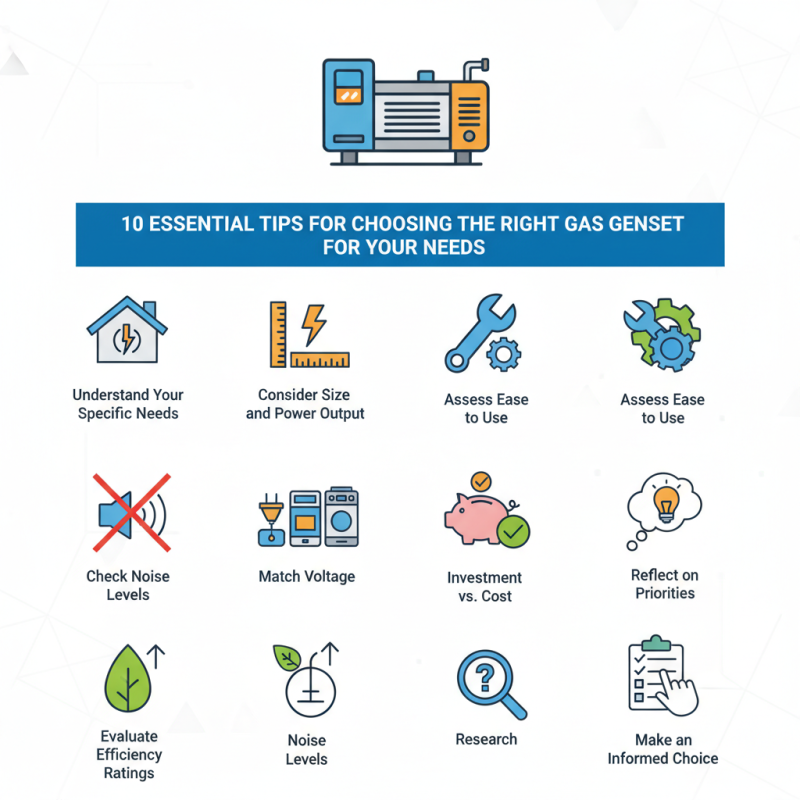
10 Essential Tips for Choosing the Right Gas Genset for Your Needs?
Choosing the right Gas Genset can be challenging. Many factors influence your decision. It is essential to understand your specific needs. A Gas Genset serves various purposes. It can power your home during outages or support your business.
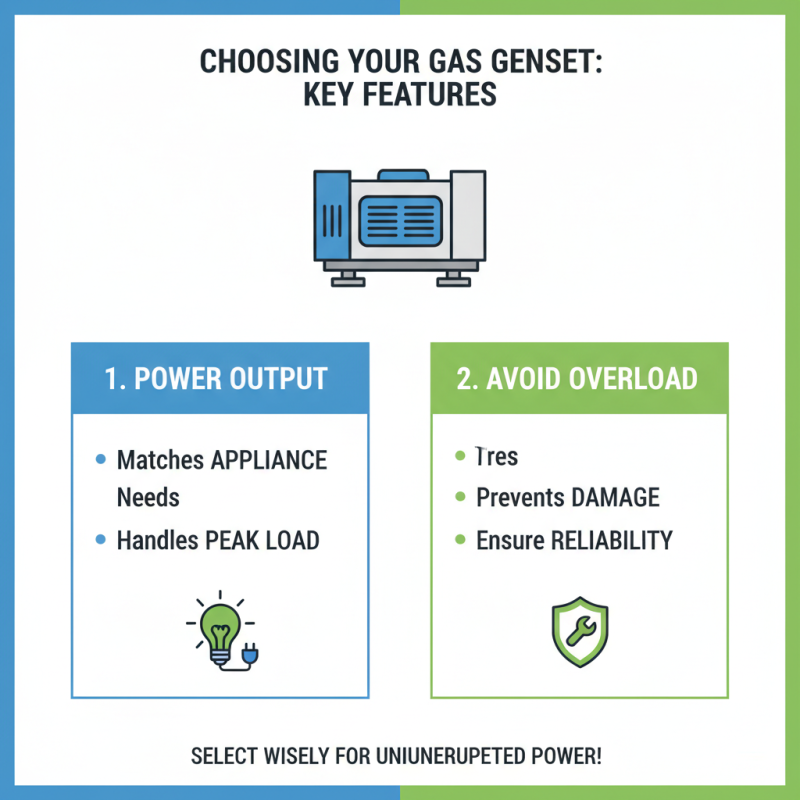
When selecting a Gas Genset, consider its size and power output. A generator that is too small may not meet your requirements. Conversely, an oversized unit can waste fuel and money. Think about your appliances and their voltage needs. This clarity will guide your choice.
Additionally, explore the features of different models. Look for noise levels, efficiency ratings, and ease of use. Sometimes, the cheapest option is not the best investment. You may encounter brands that promise much but deliver little. It's crucial to research and reflect on your priorities before making a choice.
Understanding Your Power Needs and Requirements
When selecting a gas genset, understanding your power needs is crucial. Many report that an inappropriate choice leads to inefficiencies and higher costs. Industry data shows that around 30% of users underestimate their energy requirements. This can result in inadequate power supply or wasted energy.
Identifying the right output is key. Calculate your total wattage needs by listing essential appliances and their wattage. Don’t forget to account for startup surges, which can be 2-3 times the running wattage. This step helps avoid underperformance or overpaying for excess capacity.
Consider the environment where the genset will be used. Noise levels matter; some models can exceed 70 decibels. This can be disruptive in residential areas. Assess if you need a quieter option for your location. Remember, choosing the right genset goes beyond just capacity; it's about matching it to your specific needs.
Evaluating Different Types of Gas Gensets Available
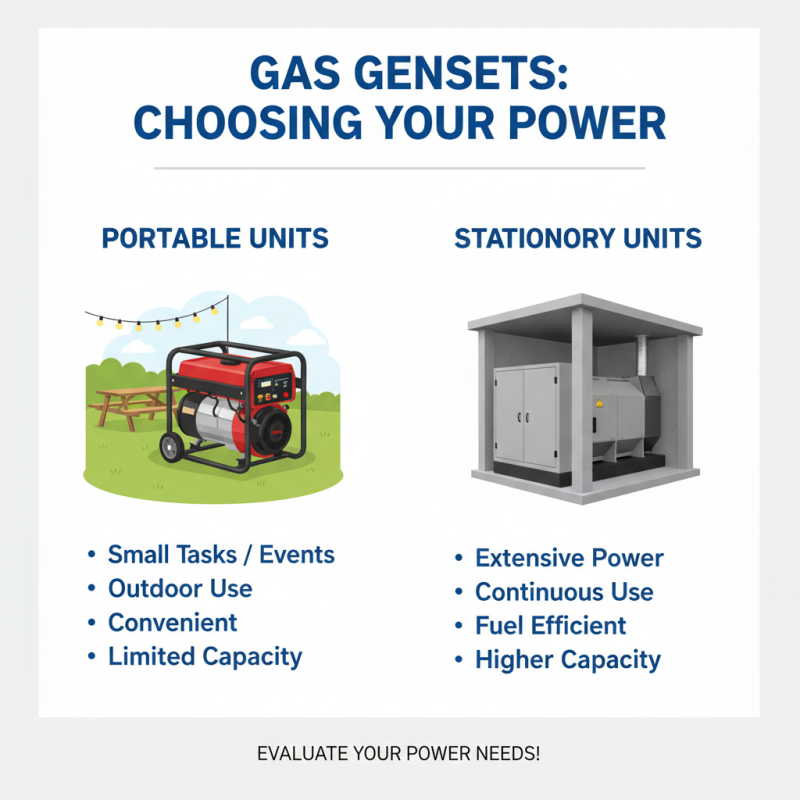
When evaluating the different types of gas gensets available, it's essential to consider your power needs. There are portable units, ideal for small tasks or outdoor events. They offer convenience but might lack the capacity for larger operations. For more extensive power requirements, stationary units are a viable option. These are designed for continuous use and often provide better fuel efficiency.
Another aspect to consider is the type of fuel. Some gas gensets use natural gas, while others utilize propane. Natural gas gensets are typically easier to maintain and offer a steady fuel supply. Propane units, however, may present better portability options. Be mindful of the installation costs and availability of fuel sources in your area. There's a fine line between choosing the right genset and overspending.
Noise level is also a concern. Some models operate quietly, while others may be quite loud, potentially affecting nearby environments. Understanding local regulations and noise restrictions can prevent future issues. It’s essential to think about long-term needs versus immediate requirements. A small, low-powered genset might seem adequate now but could lead to frustration later. Regular assessments of your requirements will ensure you make the right choice.
Assessing Your Budget and Fuel Efficiency Options
When choosing a gas genset, budget and fuel efficiency are key considerations. Understanding your financial limits helps narrow down options. The average cost of a gas generator can range from $500 to over $4,000, depending on the power output and features. Reports indicate that efficient models can reduce fuel consumption by nearly 30%, significantly lowering long-term costs.
Tip: Calculate your expected usage hours. This helps evaluate your total fuel costs. A model with a higher upfront cost might save money over time through efficiency. It's a common mistake to overlook this aspect. Many users focus solely on initial purchase price.
Consider also fuel type. Propane can be cleaner than gasoline but may have varying costs. Research local fuel prices to make informed choices. Even small fluctuations can impact your overall budget. You may think a cheaper fuel option is best, but hidden costs can emerge. Always account for maintenance and operational costs over time.
Tip: Keep an eye on warranties. A longer warranty can reflect a generator's quality but may also indicate higher costs. Balancing price against reliability is crucial. Reflect on your needs and apply these tips wisely to find the perfect match.
Considering Maintenance and Support Services for Gensets
When selecting a gas genset, maintenance and support services often take a backseat. This oversight can lead to costly downtime. According to industry reports, nearly 40% of genset users experience service interruptions due to inadequate maintenance. Regular maintenance can prevent these situations. It is vital to ensure that the genset you choose has accessible service support.
Gensets require regular inspections, fuel checks, and parts replacements. Some service providers offer packages that include preventative maintenance. However, not all gensets come with reliable service options. A recent survey found that 35% of users regretted their choice because they struggled to find help. The cost of repairs can skyrocket if proper support isn’t available when needed.
Consider local availability when choosing a genset. If support services are not within reach, it complicates repairs. Many users face this issue. A genset that is easy to maintain can save money in the long run. Think about your long-term needs before making a decision. Most importantly, ensure your genset is supported by a knowledgeable team. This can make all the difference.
Gas Genset Selection Criteria