Leave Your Message

Why Are Industrial Spark Plugs Essential for Engine Performance?

Industrial spark plugs are vital for optimal engine performance. They ignite the air-fuel mixture, driving the engine's power. According to a report by the Society of Automotive Engineers, efficiency can drop by 20% with poor spark plug performance. This fact highlights the need for quality components.

The durability of industrial spark plugs also matters. In heavy machinery, these plugs face extreme conditions. Data shows that plugs can wear out quickly, especially in high-temperature environments. Replacing worn plugs can restore performance and reduce emissions. It’s a simple yet often overlooked maintenance task.

However, many industries underestimate the importance of these components. Neglecting spark plug quality can lead to larger engine issues. Companies must invest in high-quality industrial spark plugs. A small investment today can yield significant benefits in the long run, from performance to cost savings. This is an area that deserves more attention and reflection.
Why Are Industrial Spark Plugs Essential for Engine Performance?

The Role of Industrial Spark Plugs in Engine Combustion Efficiency

Why Are Industrial Spark Plugs Essential for Engine Performance?

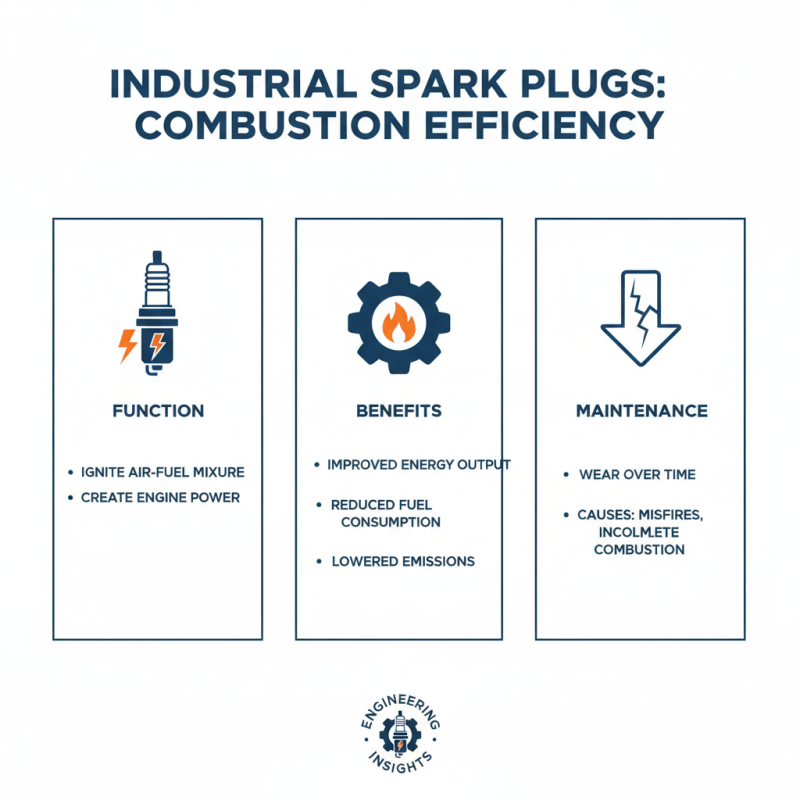
Industrial spark plugs play a crucial role in engine combustion efficiency. They ignite the air-fuel mixture, creating the necessary power for the engine. A well-functioning spark plug ensures complete combustion, which translates into improved energy output. When combustion is efficient, it reduces fuel consumption and lowers emissions. However, spark plugs can wear down over time, leading to misfires or incomplete combustion.

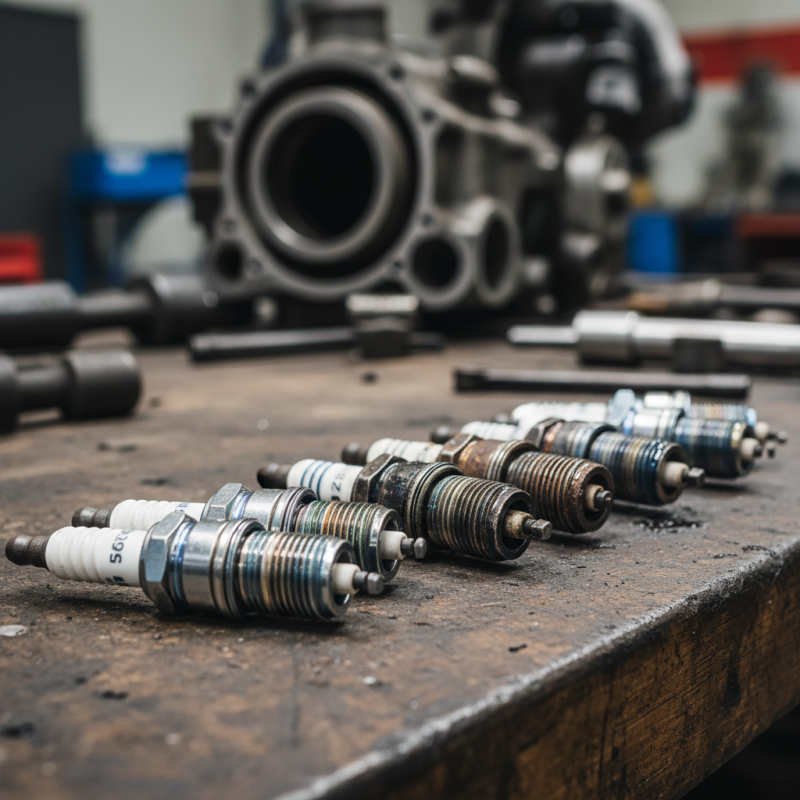
One common issue is heat range. Spark plugs must match the engine's requirements. If they're too cold, fouling occurs. If they're too hot, pre-ignition happens. This balance is delicate and often overlooked. Regular inspections can highlight wear indicators. They can show signs of deposits or damage that affect performance. Certain engines may even require specific spark plug designs to function optimally.

Moreover, the gap between the electrodes is vital. A proper gap ensures an optimal spark. If it’s too wide, the spark weakens. If it’s too narrow, the engine may struggle to start. Adjusting this gap is a simple yet often neglected maintenance step.

Addressing these details can lead to superior engine performance and efficiency. Understanding these nuances can help mitigate issues. Keeping industrial spark plugs in check is essential for a well-running engine.

Factors Influencing Spark Plug Performance in High-Load Engines

When it comes to high-load engines, spark plug performance is critical. These components endure extreme conditions. Factors like temperature and pressure greatly affect their efficiency. For instance, a study by the Society of Automotive Engineers indicates that a spark plug can withstand temperatures exceeding 900°C. However, not all spark plugs are designed for such environments.

Material choice plays a significant role. Copper, platinum, and iridium each have unique properties that influence spark plug lifespan. Iridium, known for its durability, can last up to 60,000 miles in high-load scenarios. On the other hand, cheaper alternatives may fail much sooner. This inconsistency can lead to engine misfires, costing operators significant downtime.

Additionally, the gap between electrodes impacts ignition reliability. A worn gap may lead to weaker sparks, causing poor engine performance. Research shows that a 0.5 mm increase in gap size can result in a 10% decrease in ignition efficiency. Regular monitoring and replacement of spark plugs are vital for optimal engine health.

Comparative Analysis of Spark Plug Types for Industrial Applications

Why Are Industrial Spark Plugs Essential for Engine Performance?

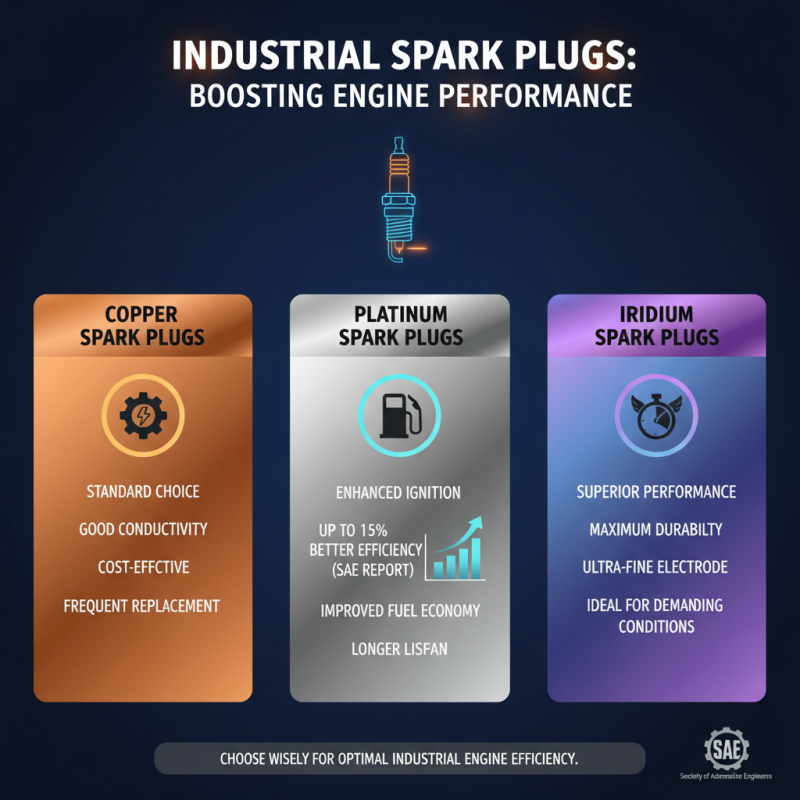
When it comes to industrial applications, the choice of spark plug can significantly influence engine performance. Different types of spark plugs, such as copper, platinum, and iridium, offer varying benefits. According to a report by the Society of Automotive Engineers, platinum spark plugs can enhance ignition efficiency by up to 15%. This can lead to better fuel economy, a critical factor for industrial engines operating in demanding conditions.

Copper spark plugs, while cost-effective, typically have a shorter lifespan. They may require replacement every 20,000 miles, compared to 60,000 miles for platinum plugs. Industrial operators should weigh these factors when making decisions. A report by the International Journal of Engine Research highlighted that improper plug selection can lead to misfires and reduced power output. These issues may not be immediately visible but can drastically affect overall productivity.

Iridium spark plugs are known for their durability. They can withstand high temperatures and pressures, making them suitable for high-performance engines. However, they come at a higher cost. The maintenance needs can be overlooked, leading to unexpected downtimes. Finding the right balance in spark plug choice is essential. Each industrial application has unique challenges that demand careful consideration of spark plug types.

Impact of Spark Plug Design on Fuel Consumption and Emissions

The design of industrial spark plugs plays a significant role in engine performance. A well-designed spark plug can enhance combustion efficiency. This, in turn, reduces fuel consumption. According to a report by the Society of Automotive Engineers, optimizing spark plug design can improve fuel efficiency by up to 5%. This is not a small margin in industrial applications.

Emissions are another critical concern. Inefficient spark plugs can lead to incomplete combustion. This situation results in increased carbon emissions. Data from the Environmental Protection Agency indicates that proper spark plug functionality can reduce harmful emissions by approximately 30%. However, many industries overlook the maintenance of these components. Regular checks are often skipped, leading to decreased performance.

The connection between spark plug quality and engine health is undeniable. Inconsistent spark can lead to misfires. Misfires waste fuel and can cause damage over time. Routine inspection of spark plugs should not be ignored. Many operators fail to recognize their importance. Ignoring this can lead to bigger problems down the line.

Impact of Spark Plug Design on Fuel Consumption and Emissions

Maintenance Practices for Prolonging the Life of Industrial Spark Plugs

Proper maintenance of industrial spark plugs is crucial for optimal engine performance. Regular inspections can prevent unexpected failures. Check for wear and carbon buildup. This helps maintain efficiency and reduces emissions. An overlooked spark plug can lead to costly repairs.

Tips: Always use the correct gap settings. A gap that’s too wide or narrow can affect engine power. Clean plugs with a soft brush. This removes debris without causing damage.

Additionally, replace plugs according to manufacturer recommendations. Ignoring this may degrade engine performance. Pay attention to signs of wear, such as misfires or reduced fuel efficiency. These are often indicators that spark plugs need attention.

Tips: Schedule regular maintenance checks. Have a professional evaluate your spark plugs at least once a year. Keep records of all maintenance work. This ensures you stay aware of your engine's needs.