What is a Methane Gas Generator and How Does It Work?
A Methane Gas Generator is an innovative solution for energy production. This technology utilizes methane, a potent greenhouse gas, as a fuel source for generating electricity. With rising concerns about climate change, harnessing methane presents both opportunities and challenges.
Methane gas can be derived from various sources, including organic waste. The generator converts this gas into usable energy, addressing waste management issues. However, there are complexities involved in the process. Inefficiencies in capture and conversion can lead to emissions, counteracting potential benefits.
Understanding how a Methane Gas Generator works is essential. The effectiveness of this technology depends on design, maintenance, and operational strategies. Striking a balance between energy generation and environmental impact requires careful consideration. As we explore this topic, we must reflect on how to improve these systems for better outcomes.
What is Methane and its Importance in Energy Generation
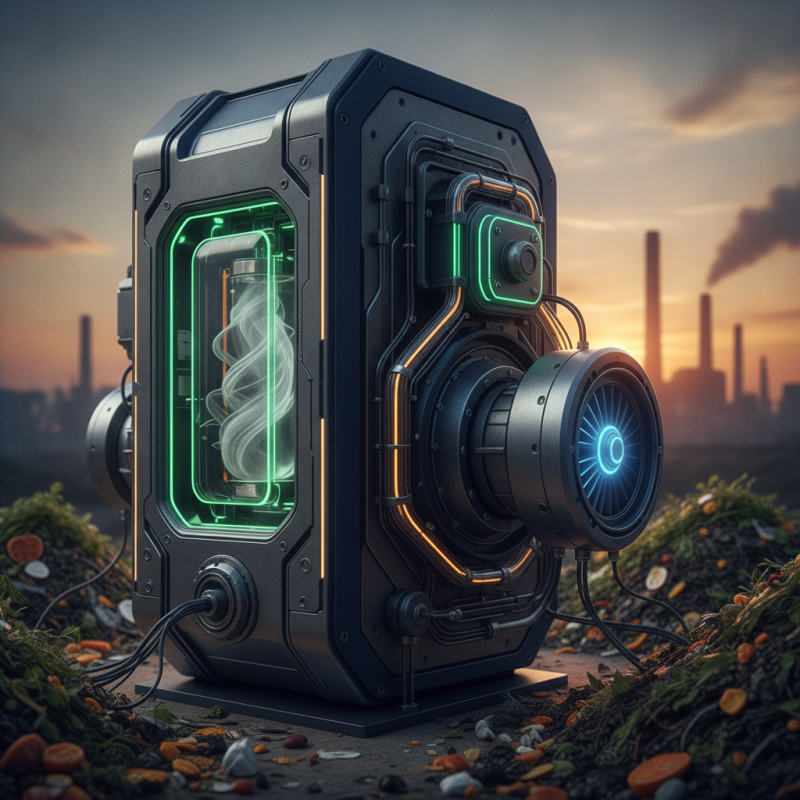
Methane is a simple hydrocarbon gas. It is often produced by the decomposition of organic matter. This gas is significant in energy generation. Methane is a major component of natural gas. It can also be generated from waste materials. Biogas plants harness methane from animal waste and food scraps. This process reduces landfill waste while providing a renewable energy source.
Energy generation with methane has several advantages. It burns cleaner than coal and oil. This means lower emissions of harmful pollutants. Methane can be converted into electricity using gas generators. These systems are efficient, but not without challenges. Methane is a potent greenhouse gas when released into the atmosphere. There is a need to manage leaks and emissions carefully.
In many areas, methane serves as an important energy solution. However, the infrastructure to support its use needs improvement. Investments in new technologies are crucial for capturing methane effectively. Moving forward, balancing methane production and environmental impact will remain complex. Finding the right approach requires ongoing research and community involvement.
Overview of Methane Gas Generators and Their Applications
Methane gas generators are essential tools that convert methane into usable energy. They play a key role in energy production, especially in areas where natural gas is limited. These generators can be used in various applications, such as powering homes, businesses, or even agricultural operations. Their ability to utilize waste materials like agricultural byproducts and landfill gas makes them an appealing choice for sustainable energy.
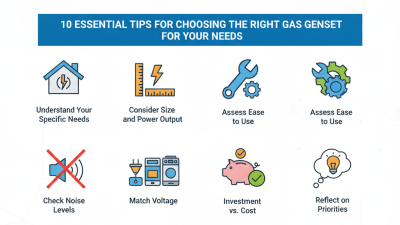
When selecting a methane gas generator, consider the scale of your needs. Larger generators produce more energy but may require more space and maintenance. Smaller units are easier to install and operate but might not meet the energy requirements of bigger facilities. It’s crucial to evaluate your specific energy needs before making a decision.
Tips: Regular maintenance is vital. Check for leaks and perform routine inspections. A well-maintained generator runs efficiently and saves costs in the long run. Also, be mindful of the source of methane. Ensure it is safe and sustainable. Responsible usage helps avoid pollution and maximizes efficiency.
Methane Gas Generator Efficiency by Application
Components and Mechanism of a Methane Gas Generator
Methane gas generators play a significant role in energy production. These systems convert methane into electricity or heat through a combustion process. The primary components include the combustion chamber, control system, and heat exchanger. The combustion chamber is where methane reacts with oxygen. This reaction releases energy, driving a generator to produce electricity.
The control system ensures optimal conditions for combustion. It monitors temperature and pressure, enhancing efficiency. According to a recent report by the International Energy Agency, methane generation can reduce greenhouse gas emissions by up to 50% compared to coal. However, more research is needed to address efficiency and design challenges. Proper maintenance is crucial for longevity and performance.
A heat exchanger recovers waste heat, improving overall efficiency. It captures heat from combustion to raise water temperatures or power additional systems. Despite advancements, many generators still have room for improvement in terms of heat recovery and emissions reduction. Industry experts suggest innovations in material science could enhance performance. Methane generators present a promising avenue for sustainable energy, yet challenges remain.
What is a Methane Gas Generator and How Does It Work?
| Component |
Description |
Function |
| Inlet Filter |
Filters out impurities from methane gas. |
Ensures clean gas enters the generator for efficient combustion. |
| Compressor |
Increases the pressure of methane gas. |
Facilitates the gas flow into the combustion chamber. |
| Combustion Chamber |
Where methane gas is mixed with air and ignited. |
Generates heat energy for power generation. |
| Turbine |
Converts thermal energy into mechanical energy. |
Drives the generator to produce electricity. |
| Generator |
Produces electrical energy from mechanical energy. |
Delivers electricity to the grid or for onsite use. |
| Exhaust System |
Removes combustion gases from the generator. |
Mitigates pollution and enhances safety. |
Advantages and Challenges of Using Methane Gas Generators
Methane gas generators are becoming increasingly popular due to their potential for clean energy production. However, utilizing these generators comes with advantages and challenges. One key advantage is their ability to convert organic waste into energy. This process not only reduces waste but also decreases greenhouse gas emissions. Furthermore, methane is a more efficient fuel compared to other fossil fuels, making it a viable option for various applications.
On the flip side, challenges include the need for proper management of the waste feedstock. Improper handling can lead to inefficient gas production and even emissions of unwanted pollutants. Additionally, the initial investment for a methane gas generator may be significant. This can deter some users from adopting such technology. Regular maintenance is necessary to ensure optimal performance and longevity of the equipment.
Tips: Explore local incentives or grants for renewable energy projects. This can help offset upfront costs. Also, consider community involvement for waste collection; it enhances both sustainability and cost-effectiveness. Assess your energy needs carefully to choose the right generator size. This can help avoid issues with underperformance or overspending. Planning and research are crucial.