What is Platinum Spark Plugs and Why Are They Important?
Platinum Spark Plugs are a crucial component of modern engines. They play a vital role in igniting the air-fuel mixture. This ignition is essential for optimal engine performance. Made from a platinum alloy, these spark plugs offer durability and efficiency. They can last longer than traditional copper or iridium plugs. Many car enthusiasts prefer Platinum Spark Plugs for their reliability.
Using Platinum Spark Plugs can improve fuel efficiency. With a better spark, engines run smoother and produce fewer emissions. This aspect reflects their importance in environmentally conscious driving. However, not all vehicles require them. Some engines perform well with standard spark plugs. It is essential to evaluate your vehicle's needs.
Despite their advantages, Platinum Spark Plugs can be more expensive. This higher cost might lead some to question their value. Regular maintenance remains critical regardless of the spark plug type. Individuals should consult experts for recommendations. Understanding your vehicle's requirements ensures optimal performance and longevity. Ultimately, the choice between spark plug types should be well informed.
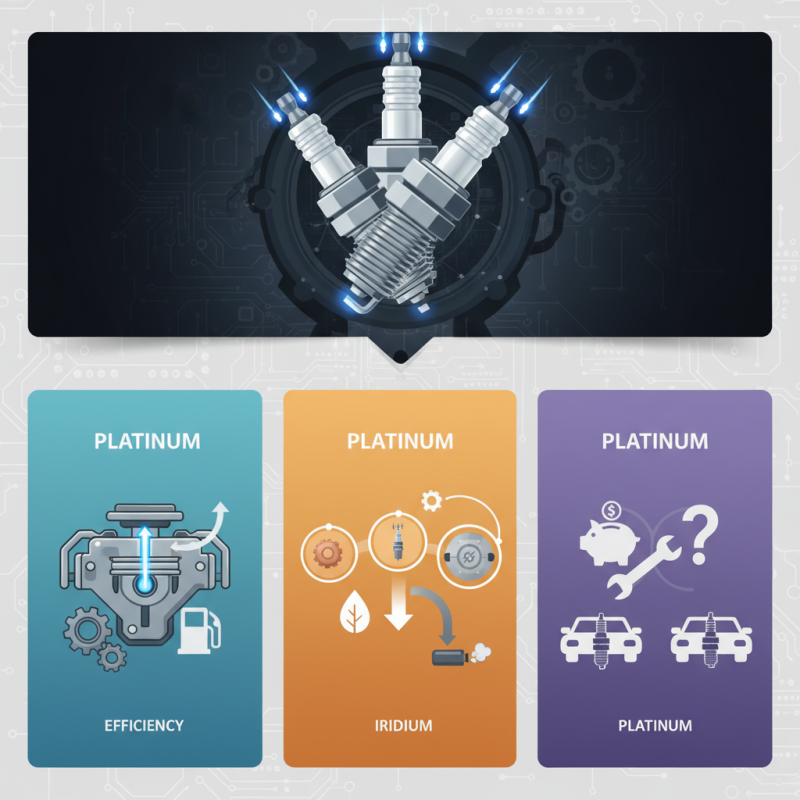
Understanding Platinum Spark Plugs: Definition and Function
Platinum spark plugs are advanced components in the ignition system of many modern vehicles. They consist of a platinum tip that provides enhanced durability and performance. This feature makes them more efficient than standard spark plugs. They produce a stronger spark, which leads to better combustion. This efficiency can result in improved fuel economy, and reduced emissions.
The function of platinum spark plugs goes beyond just ignition. They help maintain engine performance by ensuring consistent power delivery. Their longevity offers a benefit, as they can last significantly longer than traditional plugs, reducing the need for frequent replacements. However, they come at a higher upfront cost. This aspect may be a limitation for some car owners.
Choosing the right spark plug is critical. Misunderstanding their importance can lead to engine inefficiencies. Not all engines require platinum plugs. Understanding your vehicle's needs is essential for optimal performance. A wrong choice might lead to decreased performance or even engine issues. Balancing cost against performance benefits requires careful consideration.
Importance of Spark Plug Types
This chart illustrates the average lifespan of different types of spark plugs commonly used in vehicles. Copper spark plugs have a significantly shorter lifespan compared to platinum and iridium spark plugs, making platinum plugs a more reliable option for prolonged use.
Key Advantages of Using Platinum Spark Plugs in Engines
Platinum spark plugs stand out for their durability and efficiency in modern engines.
They feature a platinum center electrode, which enhances conductivity and temperature tolerance. This design allows for a more stable and consistent spark. Engines using these plugs often experience better fuel combustion. This leads to improved engine performance and reduced emissions.
One key advantage of platinum spark plugs is their longevity. They can last up to 100,000 miles, significantly longer than standard options. This longevity means fewer replacements, saving time and money for vehicle owners. However, the higher initial cost can be a barrier for some. The investment may take time to pay off, depending on usage.
Another benefit is their performance in extreme conditions. Platinum plugs perform well in cold starts and high temperatures. They maintain efficiency, which is crucial for reliable engine operation. However, not all vehicles require platinum plugs. Matching the right spark plug to your engine type is essential. Misuse can lead to performance issues. Understanding your vehicle’s needs will help you make informed choices.
Comparison of Platinum Spark Plugs with Other Types of Spark Plugs
Platinum spark plugs are known for their durability and efficiency. They contain a platinum tip that enhances performance. Compared to standard copper plugs, platinum versions offer better longevity. This means fewer replacements and less maintenance for your vehicle.
When looking at iridium spark plugs, they provide similar benefits to platinum but often cost more. Iridium plugs can withstand higher temperatures and pressures. However, their cost may not justify the performance for some drivers. If you drive frequently or have a performance-oriented vehicle, iridium may be worth it.
Conversely, standard copper spark plugs are less expensive but burn out quickly. They might be suitable for older cars or simple applications. However, opting for platinum or iridium can lead to better fuel efficiency and smoother engine operation. Each type has its advantages and drawbacks. It’s vital to consider your vehicle requirements and driving habits before making a choice.
What is Platinum Spark Plugs and Why Are They Important? - Comparison of Platinum Spark Plugs with Other Types of Spark Plugs
| Spark Plug Type |
Material |
Lifespan (miles) |
Best for |
Cost |
| Platinum |
Platinum |
60,000 - 100,000 |
High-performance vehicles |
$10 - $30 each |
| Copper |
Copper |
20,000 - 30,000 |
Budget vehicles |
$2 - $5 each |
| Iridium |
Iridium |
100,000 - 120,000 |
High-performance and luxury vehicles |
$7 - $15 each |
| Standard |
Steel |
30,000 - 50,000 |
Older or economy vehicles |
$3 - $10 each |
Factors Affecting the Lifespan of Platinum Spark Plugs
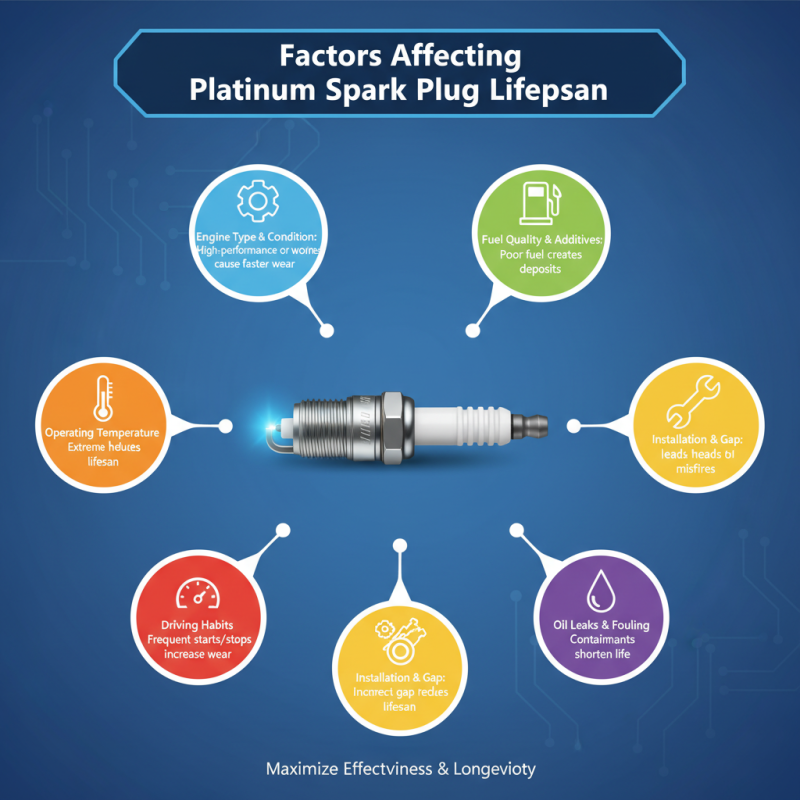
Platinum spark plugs are crucial for optimal engine performance. Their lifespan, however, can vary due to several key factors. Understanding these can help maximize their effectiveness and longevity.
One major factor is the engine type. High-performance engines often generate more heat, which can lead to faster wear of spark plugs. Additionally, driving habits can significantly influence their lifespan. Frequent short trips or aggressive driving may cause plugs to foul quickly. Regular maintenance is essential. Ignoring it can lead to premature failure.
Environmental conditions also play a role. Extreme temperatures and humidity can affect spark plug efficiency. Using proper fuel is vital. Poor quality fuel can lead to deposits building up, reducing lifespan. Regularly checking the spark plugs can reveal signs of wear, allowing for timely replacements. Neglecting them can result in reduced engine performance and increased emissions.
Best Practices for Installing and Maintaining Platinum Spark Plugs
Platinum spark plugs are essential components of your vehicle's ignition system. They enhance performance and improve fuel efficiency. Proper installation and maintenance can extend their lifespan significantly.
When installing platinum spark plugs, ensure you use the correct gap settings. A precise gap allows for optimal combustion. Over-tightening can damage the plug or the cylinder head. Use a torque wrench; it helps you apply the right pressure without risking damage.
Regular maintenance is crucial. Check the spark plugs during routine vehicle inspections. Clean any deposits and replace them if they show signs of wear. It’s a good idea to visually inspect them every 30,000 miles or as per your car's specifications.
Tips: Always work with a cool engine to avoid burns. Also, be careful with the electrical connections to prevent short circuits. Keeping records of your spark plug replacements aids in tracking their performance over time. Ignoring signs of engine trouble can lead to bigger issues later.