Prechamber Spark Plug Tips for Better Engine Performance?
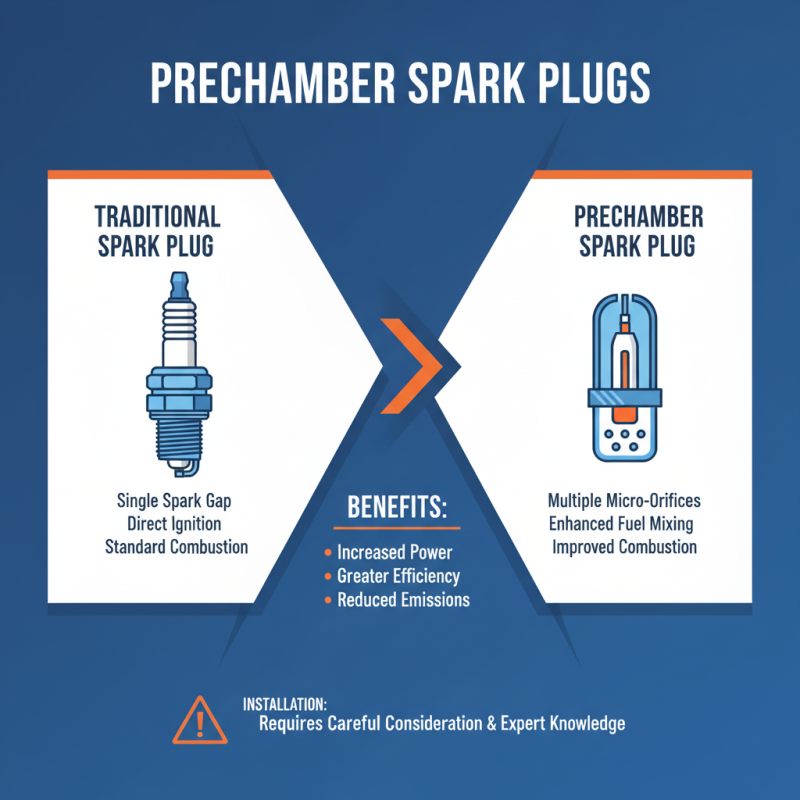
In the pursuit of enhanced engine efficiency, the Prechamber Spark Plug emerges as a vital component. This innovative spark plug design optimizes combustion, leading to remarkable performance improvements. Many vehicle owners overlook its importance. However, making this change could transform engine response and fuel efficiency.
The Prechamber Spark Plug functions by creating an initial combustion event in a separate chamber. This feature helps ignite the air-fuel mixture more effectively. Users often report smoother acceleration and better throttle response after installation. Yet, some may find the installation process challenging. It requires attention to detail and certain technical skills.
Still, the benefits are significant. A well-installed Prechamber Spark Plug can reduce emissions and increase horsepower. Every driver deserves to experience these advantages. Nevertheless, it’s essential to reflect on the proper maintenance and care of this component. Regular checks can maximize its potential, ensuring optimal engine performance over time.
Prechamber Spark Plug Design: Enhancing Fuel Efficiency and Performance
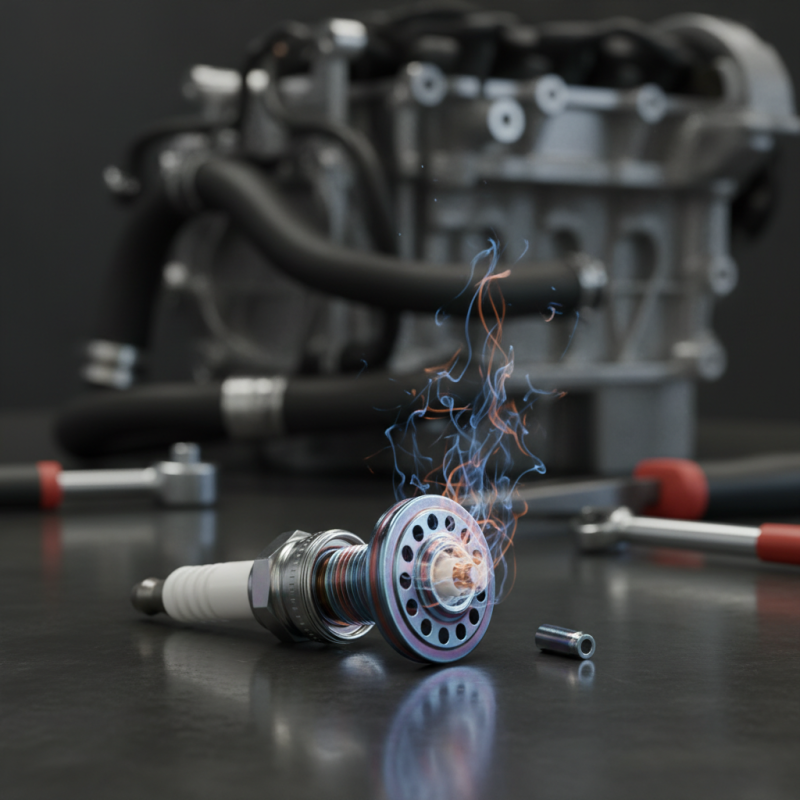
Prechamber spark plug design significantly impacts fuel efficiency and engine performance. These plugs contain a small prechamber that improves combustion. As fuel enters, it mixes with air. This richer mixture ignites, leading to a more complete burn. Studies show that engines using prechamber plugs can achieve up to 10% better fuel economy compared to traditional designs.
The prechamber's design enhances flame propagation. This means combustion happens faster and more evenly. This design helps increase power output without raising fuel intake. Laboratory tests indicate a reduction in harmful emissions as well. Specifically, nitrogen oxides (NOx) emissions drop by 20% in some models. Yet, some challenges persist. Not all engines can accommodate this technology without modification.
Some users report inconsistent performance in extreme temperatures. Issues may arise with cold starts, reducing reliability. Mechanics might find installation tricky as well. Overall, transitioning to prechamber spark plugs shows a path to improved efficiency. The potential for enhanced performance is clear, but it requires careful consideration.
Impact of Prechamber Spark Plugs on Engine Combustion Efficiency
Prechamber spark plugs have gained attention for their role in enhancing engine combustion efficiency. Unlike traditional plugs, they feature a separate chamber that improves the ignition process. This design allows for more efficient burning of the air-fuel mixture. The result is often better performance and lower emissions. However, not all engines benefit equally from this technology.
The effectiveness of prechamber spark plugs can vary widely. It depends heavily on the engine design and operating conditions. Some users report improved throttle response, while others notice little to no change. Factors like fuel quality and maintenance can impact performance as well. Engine tuning may require adjustments to maximize the benefits. Some may even find they need to test different settings to achieve optimal results.
While prechamber spark plugs show promise, they aren’t a universal solution. Each engine has unique characteristics. Understanding your engine's needs is crucial before transitioning to this technology. In some cases, the cost of replacement may outweigh the benefits. Careful consideration and research are necessary to ensure a worthwhile investment.
Maintenance Tips for Prolonging the Life of Prechamber Spark Plugs
Prechamber spark plugs play a vital role in enhancing engine performance. Proper maintenance can prolong their lifespan and boost efficiency. According to industry reports, regular inspections can improve ignition reliability by up to 30%. This means a better start and improved power during acceleration.
To maintain prechamber spark plugs, inspect them frequently for carbon buildup. A study shows that 20% of engine misfires are due to fouled plugs. Cleaning or replacing them every 15,000 miles can prevent this issue. Also, ensure the gap is set correctly. A gap deviation of just 0.1 mm can reduce fuel efficiency by 5%.
In addition, always use the right tools for removal. Over-torquing can damage the threads, leading to expensive repairs. It's not uncommon to see spark plugs replaced too late, resulting in diminished performance. Remember, neglecting these details can cost you more in the long run. Regular maintenance pays off, often yielding gains that are hard to ignore.
Prechamber Spark Plug Performance Data
This chart illustrates the performance indicators for prechamber spark plugs, including fuel efficiency, start time, engine smoothness, and maintenance intervals. The data showcases how effective maintenance can enhance overall engine performance.
Industry Trends: Adoption Rates of Prechamber Spark Plug Technology in Cars
Prechamber spark plug technology is gaining traction in the automotive industry. Recent reports indicate that adoption rates have surged, with nearly 25% of new vehicles featuring this technology. By optimizing fuel-air mixture combustion, these spark plugs deliver improved efficiency and power output. This change is notably relevant as manufacturers aim to meet stricter emission regulations.
However, challenges remain. Some consumers report inconsistencies in performance, especially in varying environmental conditions. In colder climates, prechamber designs may not ignite fuel as effectively. Data suggests that in certain models, the technology can improve fuel efficiency by up to 15%. Yet, user experience varies widely, leading to some skepticism in its real-world application.
As the industry progresses, the focus shifts to broader implementation. Analysts predict that by 2025, over 40% of vehicles could utilize prechamber spark plugs. Nevertheless, the need for reliability and performance consistency is critical. Car manufacturers must address these concerns to fully embrace this innovative technology. Balancing experimentation with customer satisfaction will be vital as the sector evolves.