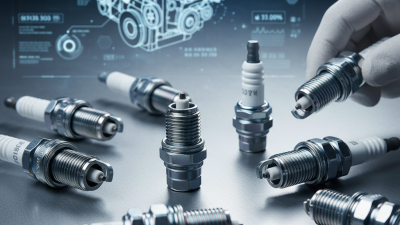
Top Quality Spark Plugs for Global Buyers Guide?
When it comes to maintaining vehicle performance, the spark plug plays a crucial role. These small yet essential components ignite the air-fuel mixture within the engine. Choosing the right spark plug can significantly affect engine efficiency and longevity. With numerous options available, global buyers need reliable guidance.
Not all spark plugs are created equal. Variations in design, material, and specifications can lead to differing outcomes in performance. Buyers may struggle to identify the best fit for their vehicles. Some might assume that all brands are similar, but this could lead to subpar performance and costly repairs later.
In this guide, we will explore top quality spark plugs, focusing on their features and benefits. By considering expert insights and user experiences, we hope to empower buyers to make informed decisions. Investing in the right spark plug is not just about immediate cost; it’s about long-term reliability and satisfaction. Understanding the details can help avoid pitfalls in the purchasing process.
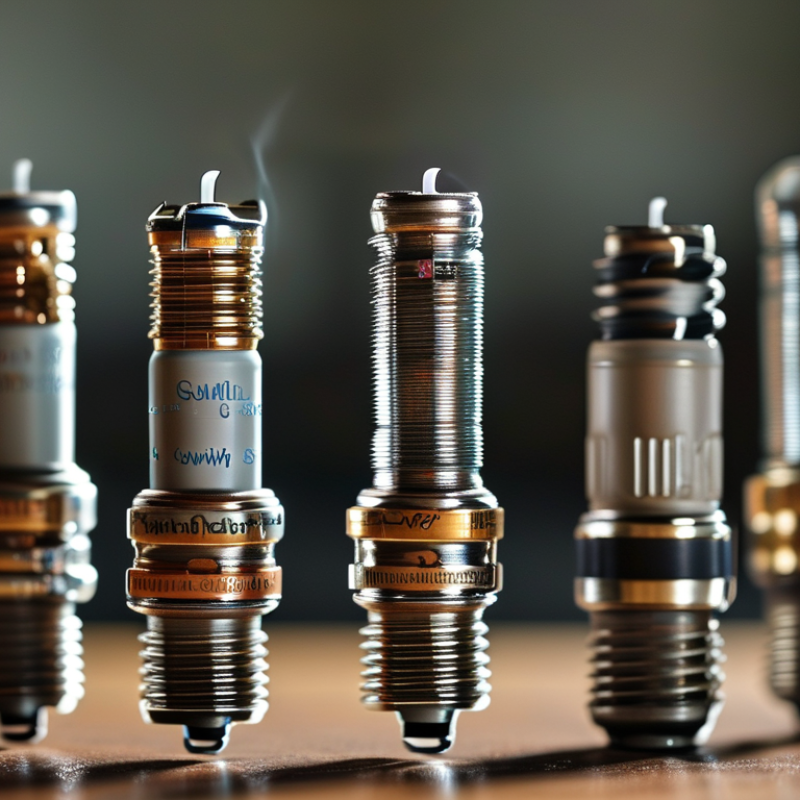
Understanding Spark Plug Types and Their Applications in Vehicles
Understanding spark plug types is crucial for vehicle performance. Spark plugs ignite the air-fuel mixture in an engine, leading to combustion. Different types of spark plugs cater to various engine designs and requirements.
Copper spark plugs offer excellent conductivity and are budget-friendly. They work well in older models. However, they wear out faster than other types. Iridium and platinum spark plugs last longer and provide consistent performance. This longevity comes at a higher cost but can improve engine efficiency.
Some vehicles may require specialized spark plugs. These are designed for high-performance engines. It's essential to consult your vehicle’s manual to choose the right type. A mismatch can lead to poor performance or engine damage. Regular inspection of spark plugs can prevent potential issues. Keeping an eye on their condition ensures your engine runs smoothly.
Key Factors Influencing Spark Plug Quality and Performance Ratings
When selecting spark plugs, several key factors impact their quality and performance. Material composition is critical. Copper, nickel, and iridium are common materials used, each with distinct properties. Reports suggest that iridium spark plugs offer superior durability, lasting up to three times longer than traditional ones. This can enhance engine efficiency and reduce maintenance frequency.
Firing tip design is another essential consideration. A well-designed firing tip improves ignition performance, which directly correlates with fuel efficiency. Studies reveal that spark plugs with a smaller gap can enhance performance in some engines, making it vital to match specifications to vehicle requirements.
**Tips:**
Check your vehicle's specifications before purchasing.
Consider the driving conditions.
Inspect spark plugs regularly for signs of wear.
Temperature rating also plays a role. A spark plug's ability to handle heat ensures optimal engine performance. Misfiring due to overheated plugs can lead to engine damage. Understanding these factors helps make informed purchases, ensuring both quality and performance. Unfortunately, many buyers overlook these details, leading to suboptimal choices that can cost more in the long run.
Top Quality Spark Plugs Performance Ratings
Comparison of Leading Spark Plug Brands and Market Share Insights
When exploring spark plug options, understanding market trends is essential. Many brands dominate, each offering unique features. Some plugs promise improved fuel efficiency, while others focus on durability. Buyers often seek high performance, but the variety can be overwhelming.
Brand reliability plays a crucial role in consumer choice. Customers often rely on reputation and customer reviews. It's common to see variations in customer satisfaction. Some users report exceptional performance, while others experience quicker wear. This inconsistency invites deeper investigation into what makes a spark plug standout.
Market share insights reveal a competitive landscape. Many brands vie for attention, each trying to capture a specific demographic. The differences among them can be slight but significant. Buyers should consider their vehicle requirements. Reflecting on personal experiences can yield insights that go beyond marketing claims. Choosing the right spark plug is not always clear-cut. Balancing price, quality, and performance requires thoughtful consideration.
Impact of Spark Plug Technology on Engine Efficiency and Emissions
The technology behind spark plugs significantly influences engine performance and emissions. High-quality spark plugs improve efficiency by ensuring complete combustion. This means that less fuel is wasted, leading to better fuel economy. According to a recent study by the Society of Automotive Engineers, upgrading to advanced spark plug technology can enhance fuel efficiency by up to 3%.
Additionally, effective spark plugs contribute to lower emissions. They help reduce unburned hydrocarbons, which are harmful pollutants. A report from the Environmental Protection Agency highlights that modern spark plug designs can minimize emissions by approximately 50% compared to outdated models. This reduction is crucial as governments increasingly enforce stringent emission regulations.
Tips for choosing the right spark plugs include researching ignition systems and understanding heat ranges. Each engine has specific requirements. Mismatched spark plugs can lead to poor performance and increased emissions. Regular maintenance checks are vital too. They ensure that spark plugs function properly, which promotes engine health and longevity. Any noticeable changes in engine performance may indicate the need for a spark plug replacement.
Top Quality Spark Plugs for Global Buyers Guide
| Spark Plug Type |
Material |
Heat Range |
No. of Ground Electrodes |
Lifetime (miles) |
Emission Impact |
| Iridium |
Iridium Alloy |
5 |
1 |
100,000 |
Low emissions |
| Platinum |
Platinum Alloy |
6 |
1 |
60,000 |
Moderate emissions |
| Copper |
Copper Core |
7 |
1 |
20,000 |
Higher emissions |
| Multi-Ground Electrode |
Nickel Alloy |
6 |
2 |
50,000 |
Moderate emissions |
| Laser Iridium |
Iridium and Platinum |
5 |
1 |
120,000 |
Very low emissions |
Maintenance Tips for Prolonging Spark Plug Lifespan and Functionality
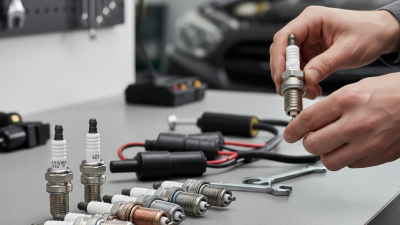
Spark plugs are vital for the optimal performance of your vehicle. Proper maintenance can significantly extend their lifespan. Keeping a close eye on the spark plugs is essential for every car owner. Regular inspections should not be overlooked. Replace spark plugs when necessary to ensure smooth engine operation.
Cleaning spark plugs can eliminate build-up and debris. This simple task can enhance their efficiency. Use a wire brush or a specialized cleaner for effective results. However, be careful to avoid damaging the electrodes. Improper handling can lead to further issues.
Monitor your vehicle’s performance regularly. If you notice rough idling or difficulties in starting, it may be time for a check-up. Sometimes, we underestimate the importance of spark plugs. Don’t make assumptions; instead, keep up with regular assessments. Addressing small issues early can prevent larger problems down the road.